
What to eat, how to manage discomfort, and how to keep the area clean after a root canal, extraction, filling, bridge, or crown.
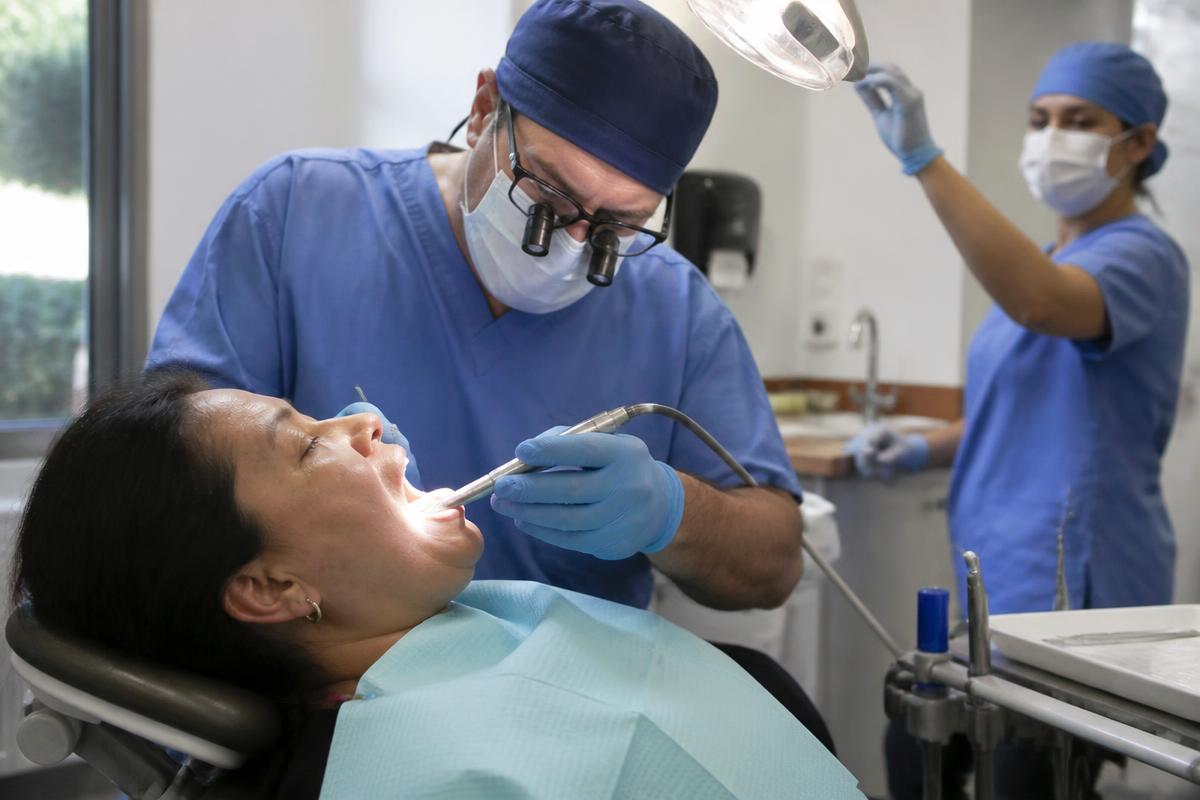
How often you need to visit our dental clinic depends largely on how well you take care of your oral health. Our goal is to catch any oral health issues early, so we can find a solution sooner rather than later. However, for those patients who have had a root canal, a surgical extraction, or have recently had a filling, bridge, or crown placed, there are post-surgical care recommendations you should follow.
Diet
If you are enjoying a sugary or starchy snack during the day, it is more than likely that your teeth and gums are being exposed to decay-causing elements. If you do consume these things, we recommend brushing and flossing afterwards, or staying away from them altogether.
In most cases, a soft diet is recommended for the first 48 hours after your procedure. Chew on the other side of your mouth and avoid hard and sticky foods. Also avoid foods that break into small pieces when you chew them, such as raw vegetables, nuts, seeds, whole grains, and popcorn.
It is important to note that there may be sensitivity to hot and cold, pressure, and swelling after a dental procedure. In most cases, any discomfort will subside dramatically within the first 24 to 48 hours.
Pain Relief
After a major procedure, most pain can be managed with an over-the-counter pain reliever. If more pain control is necessary, please contact our dental clinic. Pain medications work best when taken before the pain reaches its worst; they should be taken on a schedule and never more than the recommended dose.
Acute or persistent tooth pain always signals a need for an urgent dental visit. The most common cause of tooth pain is decay - a bacterial infection that can spread through many parts of the tooth, and even into the gum tissue. Sometimes tooth pain indicates that you may need root canal treatment, a procedure that not only relieves the pain but can also keep your tooth from needing to be extracted. Other times, pain may be caused by a loose filling or a crack. The only way to know for sure what is causing your tooth pain is to make an appointment at our clinic.
Avoid using straws, spitting, vigorous swishing of fluids, and smoking, as all of these activities can interfere with the healing process.
Proper Care
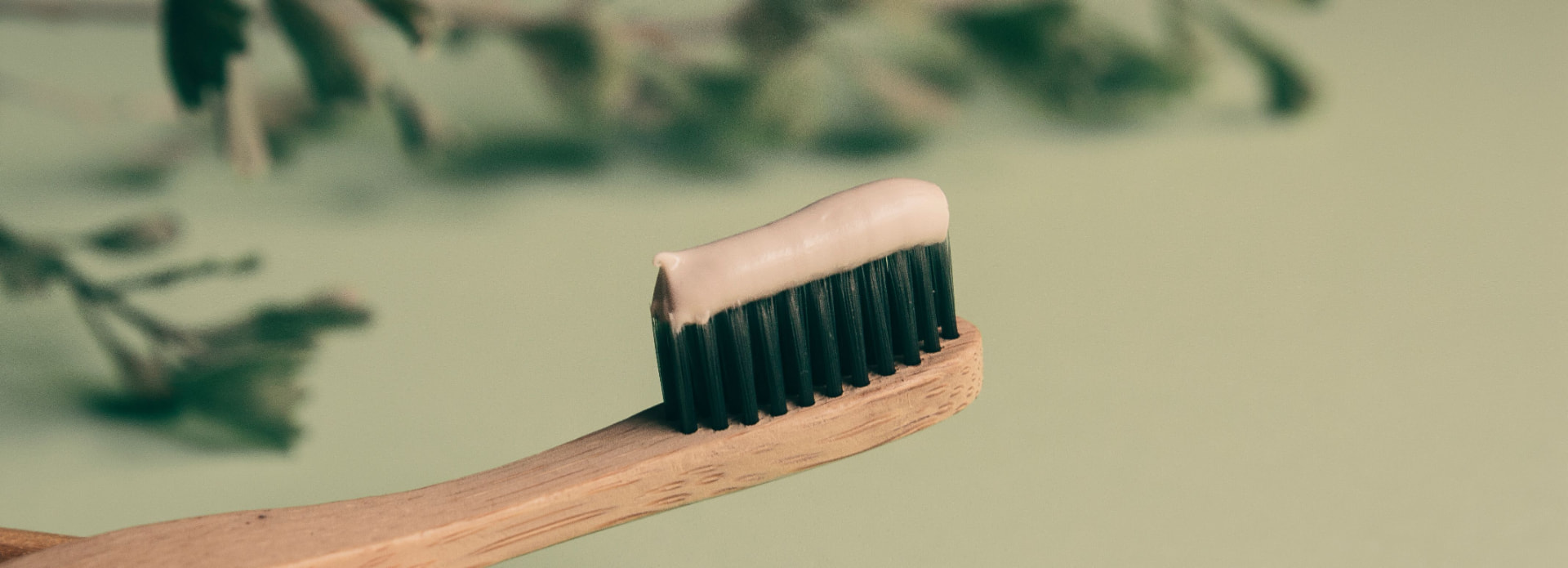
When brushing, we recommend using a soft-bristle toothbrush, as it is gentler on your teeth and gums. As for toothpaste, the right choice depends on your oral health, since there are different recommendations depending on your individual needs. If you are curious about which toothbrush or toothpaste is best for you, please call our clinic to set up an appointment.
Your gums may be tender around the tooth that has been worked on. Keeping your gums clean with gentle brushing, flossing, and rinsing with warm saltwater - half a teaspoon of regular table salt in 8 oz of warm water - will help your gums recover more quickly.
When to Call Us
Contact the clinic if pain increases rather than settling after 48 hours, if swelling worsens, if bleeding does not stop, or if you develop a fever. These are worth checking rather than waiting out.