
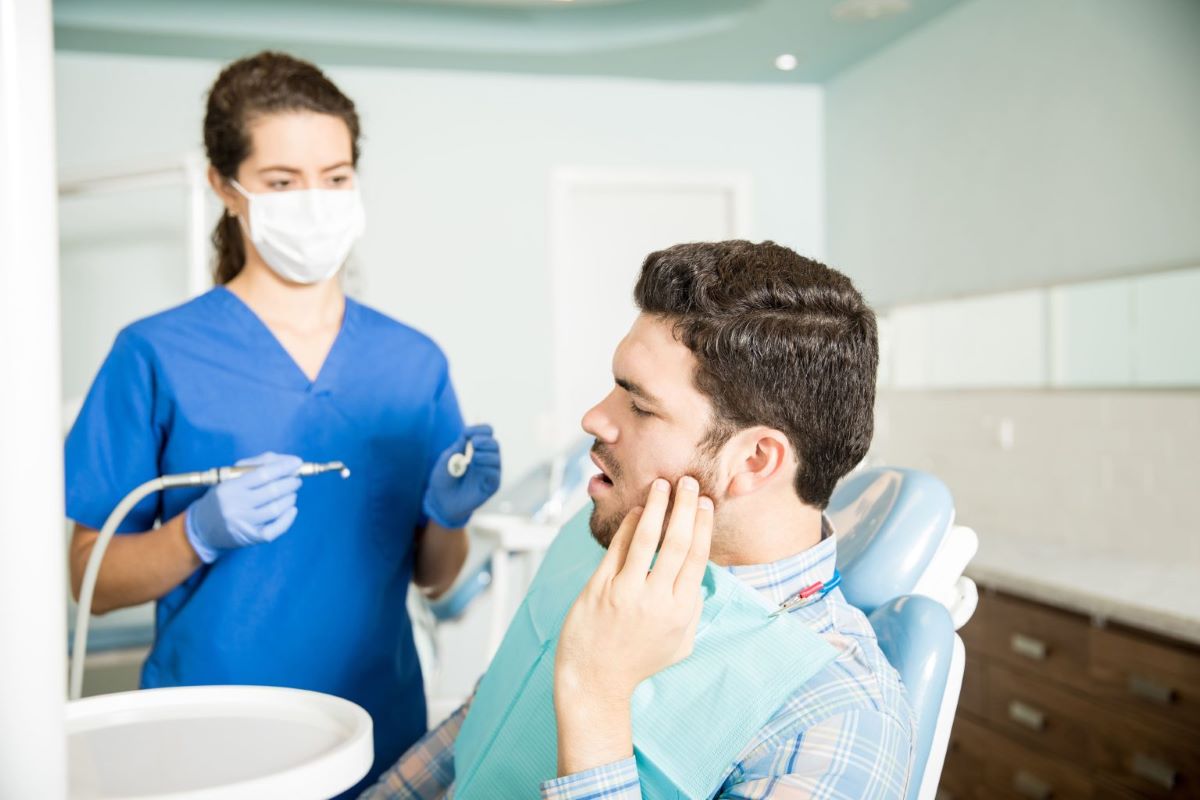
A dental emergency is any oral health problem requiring urgent care, including severe tooth pain or swelling, a knocked-out or broken tooth, a dental infection or abscess, and oral trauma. If swelling affects your breathing or bleeding cannot be controlled, go directly to the nearest emergency room.
How Urgent Problems Are Handled
- Symptoms are assessed urgently, and same-day appointments are offered when possible.
- Pain relief is prioritised ahead of anything else.
- The tooth is stabilised first, with longer-term treatment planned afterwards rather than rushed.
- A knocked-out tooth can be re-implanted, and loosened teeth can be splinted.
- Prescriptions are provided as and when needed, with immediate referral to a specialist if the case calls for it.
- Emergency dental services are prioritised regardless of insurance, and an emergency dentist appointment is triaged by symptom rather than by order of calling.
The aim of the first visit is to get the pain under control and the tooth stable. Longer-term treatment is planned after that, once the urgent problem is settled, so nothing is decided in a rush while you are still in pain.
What Counts as a Dental Emergency?
Anything urgent enough that waiting for a routine appointment would make it worse. The situations treated as a dental emergency here are:
- Severe tooth pain or swelling
- Knocked-out, broken, or cracked teeth
- Dental infections or abscesses
- Lost fillings or crowns causing pain
- Oral trauma or injury
If you are unsure whether your situation qualifies, call. Triage is exactly what the phone call is for, and an urgent assessment of symptoms costs you nothing to ask for. A dentist for toothache is often the fastest route to relief.
What Happens When You Call?
You get guidance immediately rather than just an appointment slot. Emergency dentistry starts on the phone, where the reception team provides direction including what to do in the meantime.
- Your symptoms are assessed urgently to establish priority.
- Instructions for managing pain temporarily are given over the phone.
- Office hours and same day availability are explained.
- Walk ins are welcome during office hours, and calling ahead lets us prepare for you.
- Next steps are discussed clearly before you arrive.
That second step matters more than people expect. In a dental emergency, what you do in the hour before you arrive can change the outcome, particularly with a knocked-out tooth.
What Treatments Are Provided in an Emergency?
Enough to stop the pain and stabilise the tooth in one visit. Emergency dental care is not the same as finishing the job, and it is not meant to be.
- Pain relief and infection control
- Temporary or permanent restorations
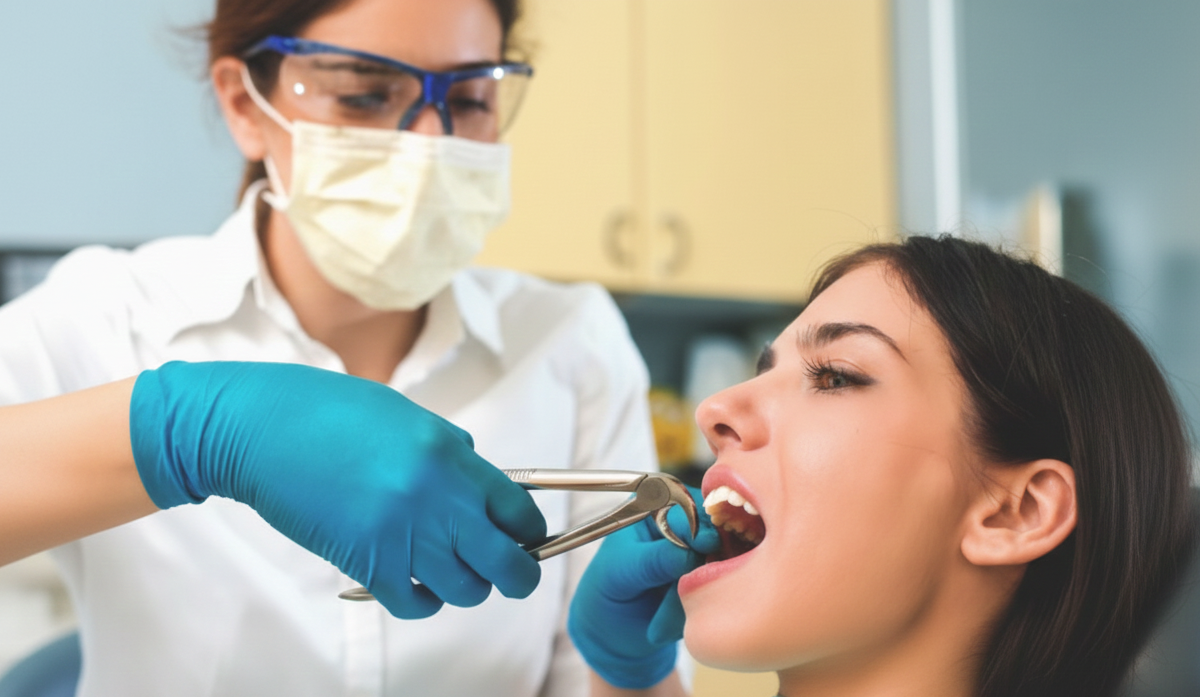
- Re-implantation of a knocked-out tooth, clinically an (avulsed) tooth
- Splinting of loosened or displaced teeth
- Tooth stabilisation, or tooth extraction where the tooth cannot be saved
- Prescriptions where they are needed
- Referrals for follow-up treatment, including immediate specialist referral if required
Control First, Restoration Second
Emergency dental treatment here is aimed at control first and restoration second. Findings are explained clearly before anything proceeds, and stabilisation is coordinated with restorative care afterwards so the temporary fix does not become permanent by accident.
Can a Knocked-Out Tooth Be Saved?
Often yes, and time is the deciding factor. Re-implantation of an avulsed tooth is performed here, and splinting holds it in position while the surrounding tissue heals.
What to Do in the First Hour
Handle the tooth by the crown, not the root. Keep it moist. Then get to a dentist as fast as you reasonably can, because the window for successful re-implantation is measured in hours rather than days. According to the Canadian Dental Association, a knocked-out tooth should be treated as an urgent situation requiring immediate attention.
What Does Emergency Dental Care Cost?
Costs are explained before treatment wherever that is possible, which in a genuine emergency is not always before pain relief. Dental emergency services are prioritised regardless of insurance status, so an emergency dental clinic visit is never refused on cost grounds.
- Costs are set out before treatment when circumstances allow
- Insurance coverage is reviewed if applicable
- Follow-up treatment costs are discussed separately from the emergency visit
- Emergency dental care is among the services covered under the Canadian Dental Care Plan, subject to CDCP approval and limits
What the Emergency Visit Covers
Final pricing varies based on your individual clinical needs. Follow-up treatment is costed separately from the urgent visit, and communication stays transparent throughout about what the emergency appointment does and does not include.
Frequently Asked Questions
What are dental emergencies?
Can I get a same-day emergency appointment?
Can you go to hospital emergency for dental pain?
What should I do about the pain before I arrive?
Will I need the tooth taken out?
Do you treat dental infections and abscesses?
Will I be turned away without insurance?
Get Seen Today in Waterloo
Tooth pain, swelling or a broken tooth should not wait for a routine appointment. Call us during office hours, describe what has happened, and we will triage you and offer a same day visit when possible. If it happens after hours, call as soon as we open. If swelling affects your breathing or bleeding will not stop, go to the nearest hospital emergency room.
- Same-day appointments when possible, with pain relief prioritised on arrival.
- Re-implantation and splinting for knocked-out or loosened teeth, plus immediate specialist referral where needed.
If you are dealing with a dental emergency and need an emergency dentist in Waterloo, call before you drive over so guidance can start immediately. Urgent dental care begins with that phone call.
Westmount Dental 50 Westmount Rd N #225, Waterloo, ON N2L 2R5, Canada